[rev_slider alias=”main-home-slider”][/rev_slider]
Quick Cut Waterjet Cutting
Waterjet cutting is a popular cutting technique that uses a high-pressure stream of water to cut through materials. It is a precise, efficient, and versatile method that has a wide range of applications in various industries. In this article, we will delve into the world of Waterjet Cutting, exploring its history, how it works, the types of materials it can cut, its advantages and disadvantages, and its many applications.
Definition of Waterjet Cutting
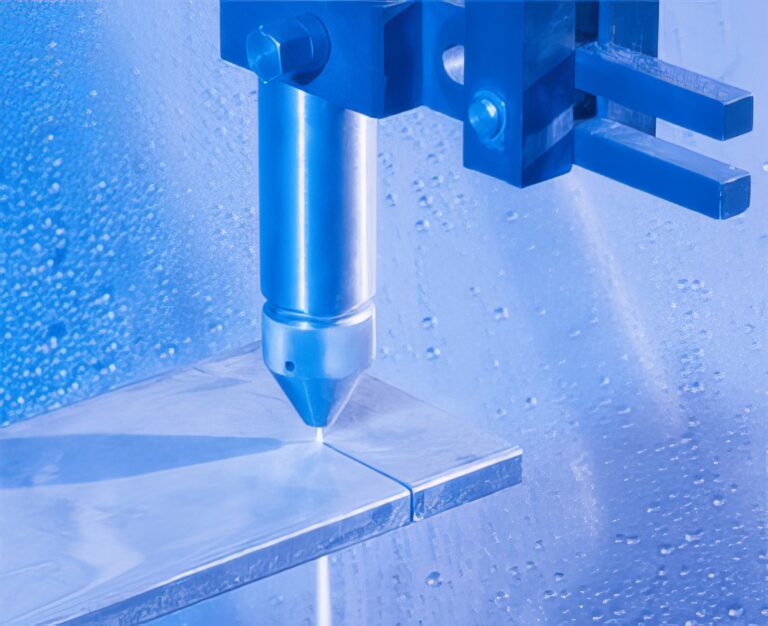
Waterjet cutting is a manufacturing process that uses a high-pressure stream of water to cut through materials. The water is often mixed with abrasive particles to increase its cutting power, creating an abrasive waterjet.
Brief History of Waterjet Cutting
Waterjet cutting has been around since the 1800s when water was first used to cut through paper. In the 1930s, it was used to cut through metals, and in the 1950s, it was used to cut through titanium. In the 1960s, abrasive particles were introduced to the water to create the abrasive waterjet, which made it possible to cut through harder materials. Since then, Waterjet Cutting has been rapidly growing in popularity and has become a preferred cutting technique in many industries.
Waterjet cutting has several benefits that make it a popular cutting technique.
These include:
• Precision and accuracy: Waterjet cutting is incredibly precise and accurate, with the ability to cut within a tolerance of 0.001 inches. This makes it ideal for cutting intricate shapes and designs.
• Versatility: Waterjet cutting can cut through almost any material, including metals, stone, glass, composites, and plastics, making it a versatile cutting technique.
• No heat affected zone (HAZ): Waterjet cutting does not generate heat, so there is no heat affected zone (HAZ), which can be a problem with other cutting techniques.
• No harmful emissions: Waterjet cutting does not generate harmful emissions, making it environmentally friendly.
Types of Waterjet Cutting
It is ideal for cutting soft materials like rubber, foam, and paper. Since it does not use abrasive particles, it does not create a rough edge, making it ideal for materials that require a smooth edge.
Abrasive Waterjet Cutting
Abrasive waterjet cutting, on the other hand, uses abrasive particles like garnet to increase the cutting power of the water. This method can cut through harder materials like metals and ceramics. However, since it uses abrasive particles, it creates a rough edge, which may require secondary processing to smooth it out.
Advantages of Pure Waterjet Cutting
• No abrasive particles to clog the system
• Ideal for cutting soft materials
• No rough edge, making it ideal for materials that require a smooth edge
• Disadvantages of Pure Waterjet Cutting
• Limited to cutting soft materials
• Not as fast as abrasive waterjet cutting
• Advantages of Abrasive Waterjet Cutting
• Can cut through harder materials
• Faster than pure waterjet cutting
• Can cut through thick materials
Disadvantages of Abrasive Waterjet Cutting
• Requires abrasive particles that can clog the system
• Creates a rough edge that may require secondary processing
• How Waterjet Cutting Works
• Components of a Waterjet Cutting System
• A typical Waterjet Cutting system consists of the following components:
High-pressure water pump: This is the heart of the system, which generates the high-pressure stream of water that is used to cut through materials.
Intensifier: This is a hydraulic device that increases the pressure of the water, usually up to 60,000 psi or more.
Mixing chamber: This is where the abrasive particles are added to the water to create the abrasive waterjet.
Nozzle: This is the device that directs the high-pressure stream of water to the material being cut.
The Process of Waterjet Cutting
Material preparation: The material to be cut is first prepared by placing it on the cutting table and securing it in place.
Programming: The cutting path is programmed into the Waterjet Cutting system, specifying the shape and size of the cut.
Cutting: The Waterjet Cutting system is activated, and the high-pressure stream of water is directed towards the material, cutting through it according to the programmed path.
Finishing: Depending on the type of Waterjet Cutting used, the cut material may require secondary processing to smooth out the rough edge.
The Science behind Waterjet Cutting
Waterjet cutting works on the principle of erosion. The high-pressure stream of water directed towards the material causes erosion, gradually cutting through the material. The addition of abrasive particles in abrasive waterjet cutting increases the erosive power of the water, making it possible to cut through harder materials.
Materials That Can Be Cut with Waterjet Cutting
Waterjet cutting can cut through almost any material, including:
Metals: Aluminium, copper, steel, titanium, etc.
Stone: Granite, marble, limestone, etc.
Glass: Tempered glass, bulletproof glass, etc.
Composites: Carbon fibre, Kevlar, etc.
Plastics: Acrylic, polycarbonate, etc.
The ability to cut through a wide range of materials makes Waterjet Cutting a popular cutting technique in various industries.
Applications of Waterjet Cutting
Waterjet Cutting has a wide range of applications in various industries, including:
Aerospace Industry
Waterjet Cutting is used to cut parts for aircraft and spacecraft, including engine components, turbine blades, and wing parts. The precision and versatility of Waterjet Cutting make it ideal for producing complex parts with tight tolerances.
Automotive Industry
The automotive industry uses Waterjet Cutting to produce parts for cars and trucks, including interior and exterior parts, engine components, and body panels. Waterjet Cutting can cut through a wide range of materials used in the automotive industry, including metals and composites.
Architecture and Design
Waterjet Cutting is used in architecture and design to produce intricate designs and patterns on stone, glass, and metal. It allows designers to create unique and custom designs that would be difficult or impossible to produce using traditional cutting techniques.
Food Industry
Waterjet Cutting is used in the food industry to cut food products, including meat, fruits, and vegetables. It provides a hygienic cutting method that reduces the risk of contamination and allows for precise cutting of delicate food products.
Manufacturing Industry
Waterjet Cutting is widely used in the manufacturing industry to produce a variety of parts and components. It is particularly useful for cutting materials that are difficult or impossible to cut using traditional cutting methods.
Advantages of Waterjet Cutting
Waterjet Cutting has several advantages over traditional cutting methods, including:
Versatility: Waterjet Cutting can cut through a wide range of materials, including metals, stone, glass, and composites.
Precision: Waterjet Cutting can produce parts with tight tolerances and intricate designs.
Speed: Waterjet Cutting is faster than some traditional cutting methods, such as laser cutting.
No Heat Affected Zone: Waterjet Cutting does not create a heat affected zone, which can warp or damage the material being cut.
Environmentally Friendly:
Waterjet Cutting does not produce hazardous waste or emit harmful fumes, making it an environmentally friendly cutting method.
Conclusion
Waterjet Cutting is a versatile cutting technique that can cut through almost any material with precision and speed. Its wide range of applications makes it a popular cutting method in various industries, including aerospace, automotive, architecture, and manufacturing. With the advantages of Waterjet Cutting, such as its versatility, precision, and environmentally friendly nature, it is a cutting method that is here to stay.
Contact Qcut Waterjet Cutting
 Morne Cruywagen
Morne Cruywagen
Cel:+27 72 886 6156
Email: sales@qcut.co.za
Quick Cut – Waterjet Cutting Services South Africa

Services
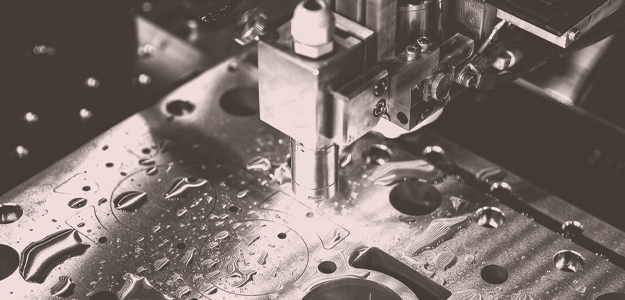
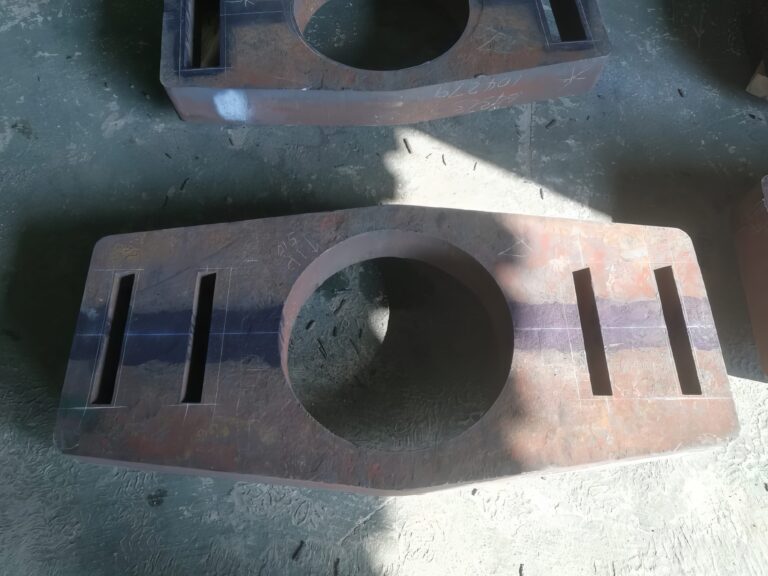
We offer precise waterjet cutting services for a wide range of materials. Our location is in Walkerville, Vaal Triangle, Gauteng. At Quick Cut, we utilize the advanced Omax 80160 Water Jet Machine, capable of cutting dimensions up to 4000mm x 2000mm and thicknesses of up to 180mm.
Waterjet cutting is a highly versatile technology suitable for cutting various materials and thicknesses. It finds extensive application in industries like aerospace, automotive, construction, as well as in the fabrication of prototypes and custom parts.
We cut the following materials
Materials (A) Materials (B)
Materials (A)
-Acrylics
-Alloys
-Aluminium
-Brass
-Composites
-Copper
-Felt
-Foam
-Glass
-Ceiling Board
Materials (B)
-Granite
-Laminates
-Marble
-Mild Steel
-Plastic
-Rubber
-Stainless Steel
-Titanium
-Tool Steel
-Acrylics
-Alloys
-Aluminium
-Brass
-Composites
-Copper
-Felt
-Foam
-Glass
-Ceiling Board
-Granite
-Laminates
-Marble
-Mild Steel
-Plastic
-Rubber
-Stainless Steel
-Titanium
-Tool Steel
Please feel free to contact Morne during office hours to discuss your specific waterjet cutting requirements. We uphold a robust business ethic that ensures timely delivery on all our projects.
Gallery




copyright © 2023 Quick Cut – Waterjet Cutting Services South Africa